Training to fly a Cirrus — what the process actually involves
Independent and not affiliated with Cirrus Aircraft — not a Cirrus Training Center, and no training is offered here.
Cirrus aircraft are not difficult to fly, but they are different enough from the trainers most pilots learn in that the manufacturer built a whole standardised training structure around them. This page explains what that structure is, what transition training covers, and what the aircraft-specific systems mean for a pilot — as background reading, before you talk to an actual instructor.
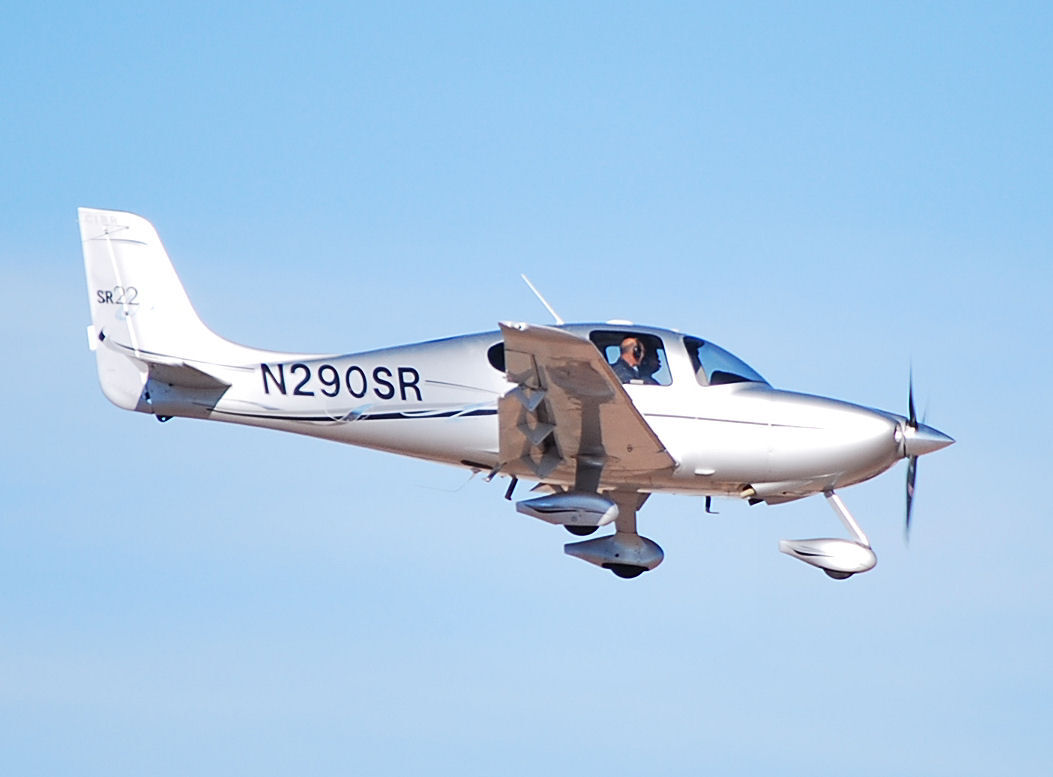
.jpg)
Transition training
What moving onto type involves, and what CSIP and CTC actually mean.
CAPS
The airframe parachute, and why the training is mostly about decision-making.
Glass cockpit
Perspective and Perspective+, and the habits that transfer badly from steam gauges.
Ratings & currency
Where a Cirrus fits into a PPL, an instrument rating and staying proficient.
How many are there?
The public US register, counted — by model, by build year, and by who owns them.
The record, counted
NTSB accident data: what changed, by how much, and what the accidents actually were.
Why type-specific training exists at all
The SR-series combines things a pilot coming from a Cessna 172 or Piper Archer will not have seen together before: a side-yoke rather than a control column, a castering nosewheel steered with differential braking, a composite airframe, a high-performance wing with a relatively high approach speed, a fully integrated glass cockpit, and a whole-airframe parachute that changes how certain emergencies are handled. None of those is hard in isolation. The accident record is clear that skipping structured transition training onto the type is the problem, not the aeroplane.